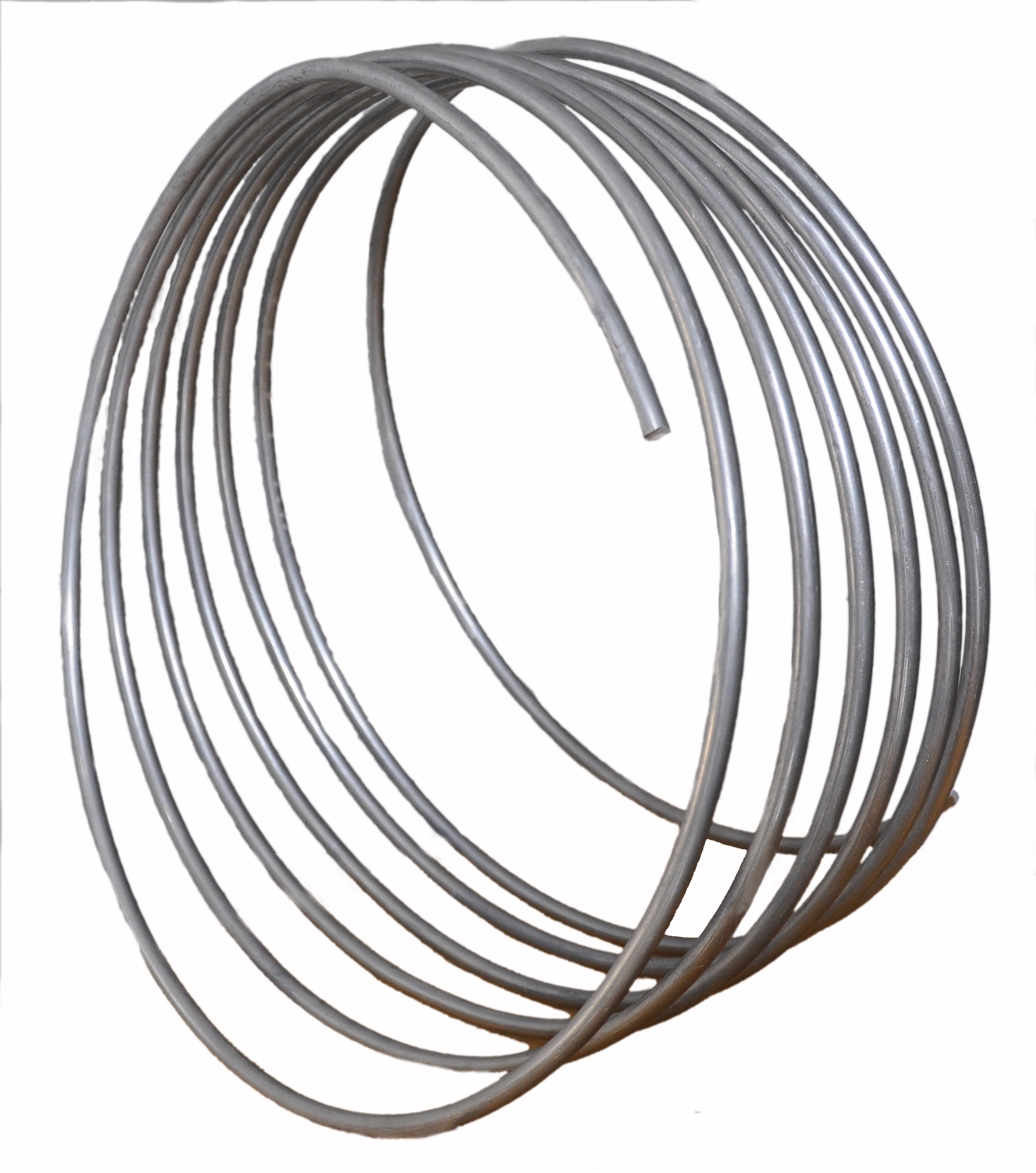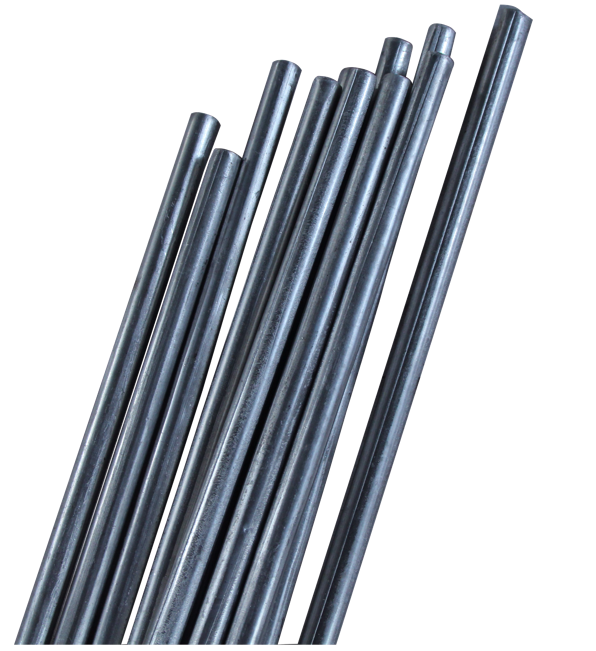
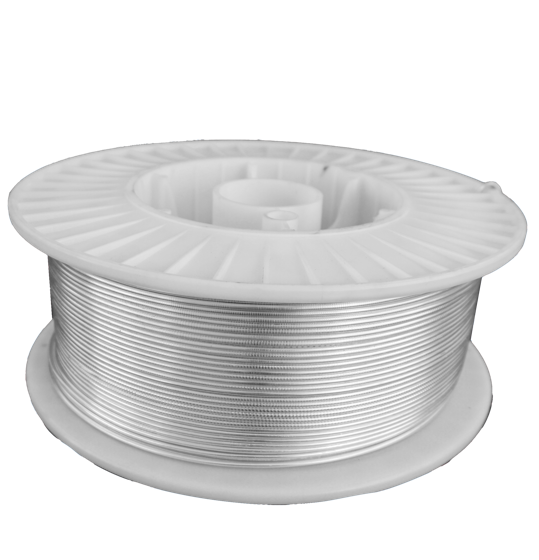
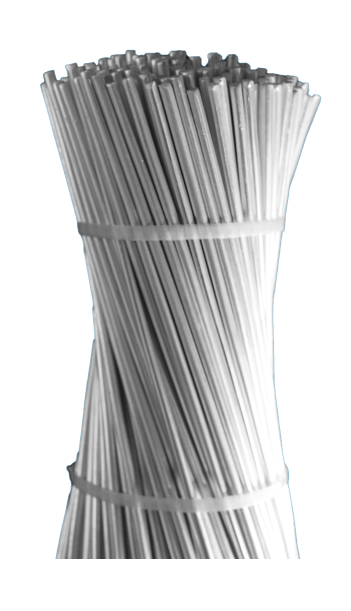
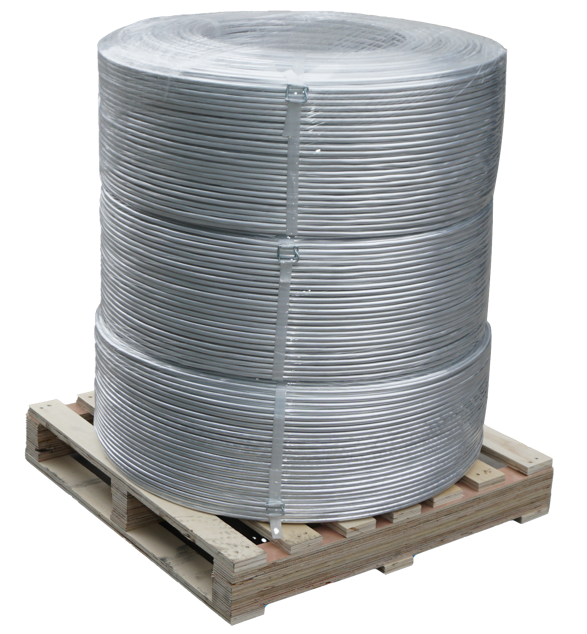
A series of TCB-Al seed alloys were invented and developed, which are used for grain refinement and ultra-grain refinement of aluminum alloys and magnesium alloys. They can overcome the "poisoning" phenomenon of grain refinement in Al-Si alloys and Zr-containing aluminum alloys, and stably achieve grain micro-refinement. The TCB-1 seed alloy wouldsolve the problems of black lines, stripes, white spots, perforations, and aluminum powder defects that occur during the processing of aluminum plates, strips, foils, and 3C products. Both TCB-1 and TCB-3 can eliminate casting defects such as shrinkage porosity in thick and large ingots, improve product density and surface quality.
According to application, they are classified as TCB-1@ (special type) and TCB-3@ (general type). See Table 1 for details.
Table 1. Categories, Application Scenarios and Characteristics of TCB-Al Seed Alloys
Category | Occasions applicable | Advantages | Product Standard |
TCB-1Ⓡ(special type) | Aluminum plates, strips, foils, 3C products and high-end aluminum materials | 1. Not blocked: The TCB seed alloy is placed in the flow channel, and the filter is not blocked. 2. Non-sink: When TCB is placed in the molten aluminum and left to stand for 90 minutes, it does not sink to the melt bottom. 3. Affordable: After applying TCB, it enhances the product's yield and added value, while reducing the overall cost (as TCB has the dual functions of refining aluminum grains and forming a transformed iron phase, it significantly improves the fatigue performance of aluminum products). | Φ3 wire Φ9.5 wire Φ9.5 rod |
TCB-3Ⓡ(general type) | Suitable for grain refinement of various wrought aluminum alloys and cast aluminum alloys | 1. It is applicable to all types of aluminum alloys, reducing both procurement and management costs. 2. Anti-poisoning caused by elements such as Si, Zr, V, and Cr. 3. The slower the solidification rate, the more pronounced the advantage of strengthening. 4. The crystal seed dispersion degree and nucleation rate are high. |



Long Press to Scan QR Code
Scan QR Code